New regulations in UK and Europe force manufacturers to establish sustainable efforts into their manufacturing process. Working together with DFS, one of the largest sofa manufacturers in UK, my team and I are exploring the possibility to transform them become more circular in their process.
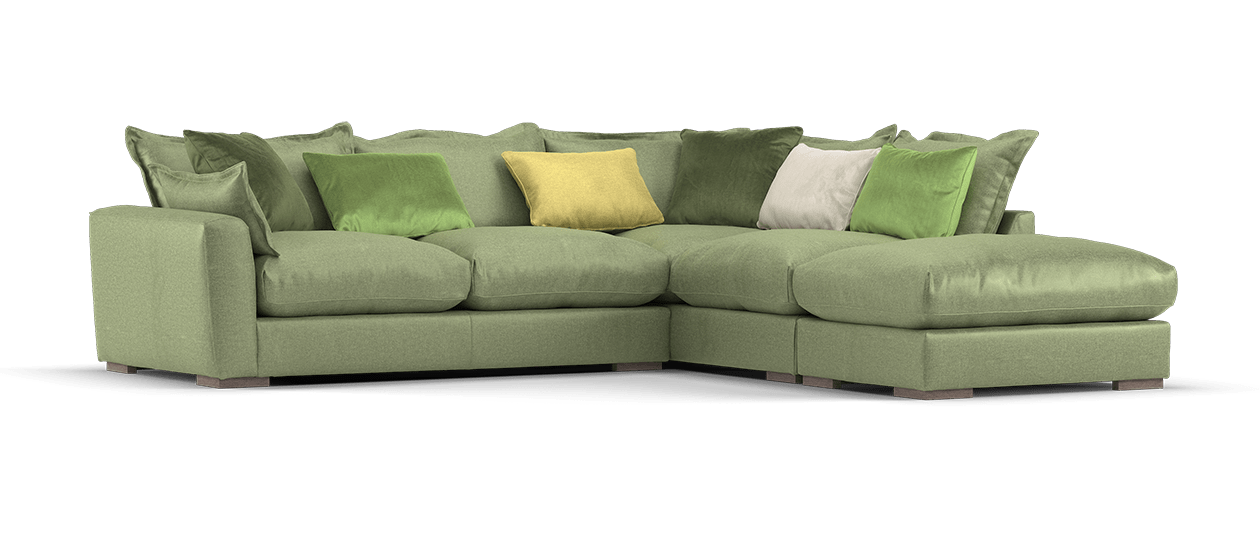
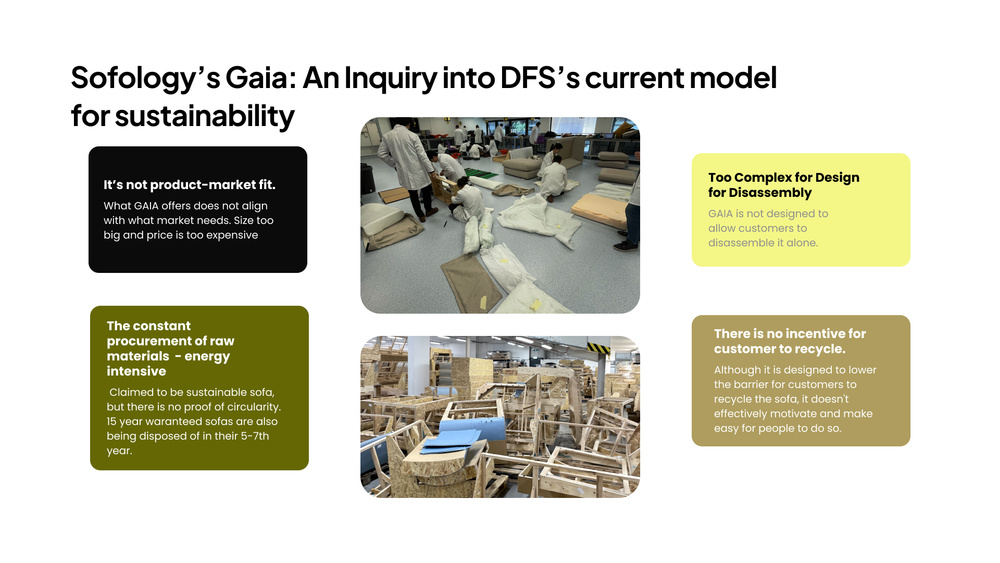
All this time, sofas have been designed for one-time use, and the value of used sofas is almost nothing, so the majority of people don't want to buy second-hand. Beyond that, many sofas end up in landfills, making disposal very problematic for user. We look at DFS's Sofology Gaia range for our study to analyse their current production and distribution methods including their afterlife treatement.
Our solution introduces a subscription business model that revolutionizes manufacturing processes and redefines the relationship between users and furniture, dramatically improving circularity rates
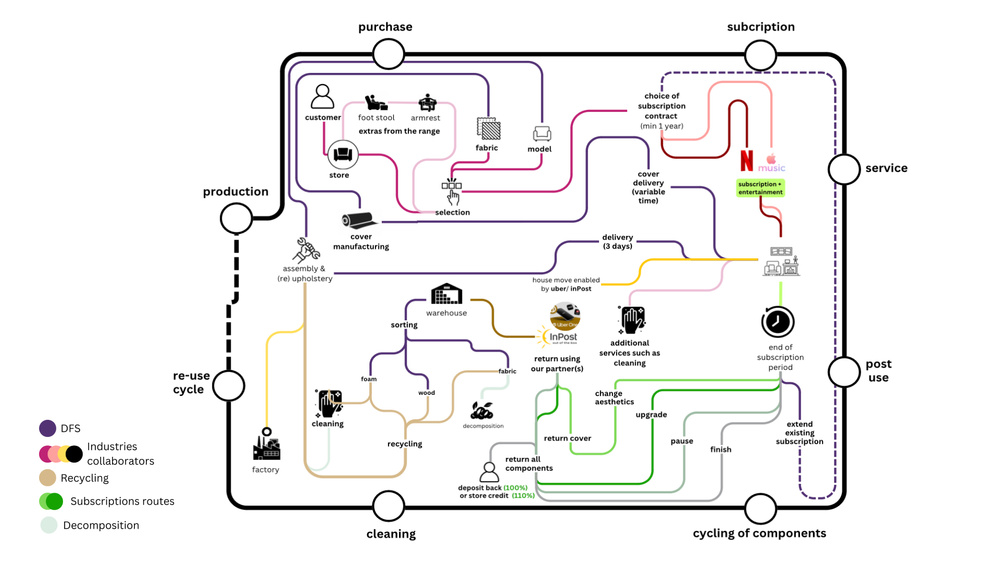
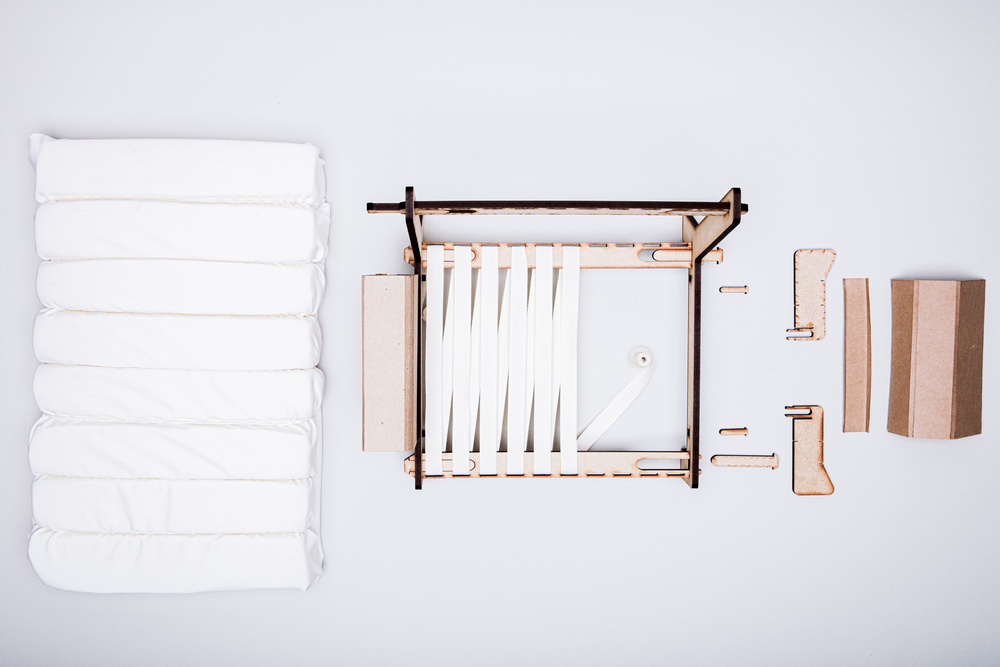
We designed a sofa concept suitable for a subscription business model. The sofa is designed for disassembly, making it easier to deliver and save space in logistics, while enabling users to repair it themselves or return it to the shop for servicing. The subscription model allows the company to reclaim materials when users no longer need the sofa, creating a circular economy. We identified the wood frame as the most valuable component for extending the sofa's lifespan—by reusing frames and replacing upholstery and fabric, the company can offer refreshed products while minimizing waste
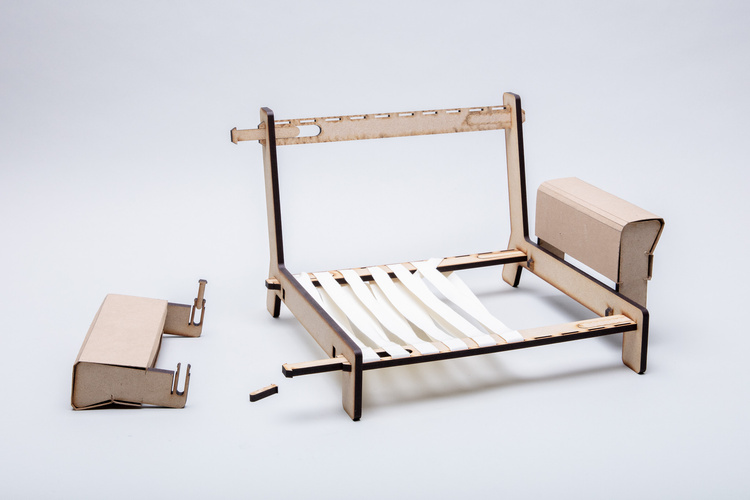
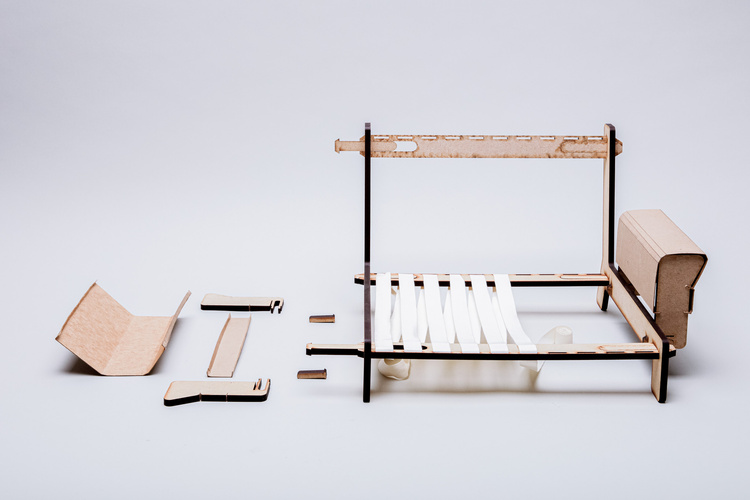


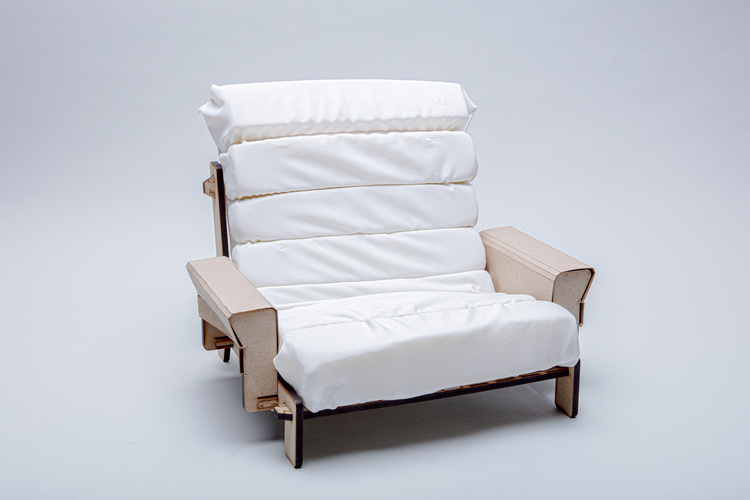
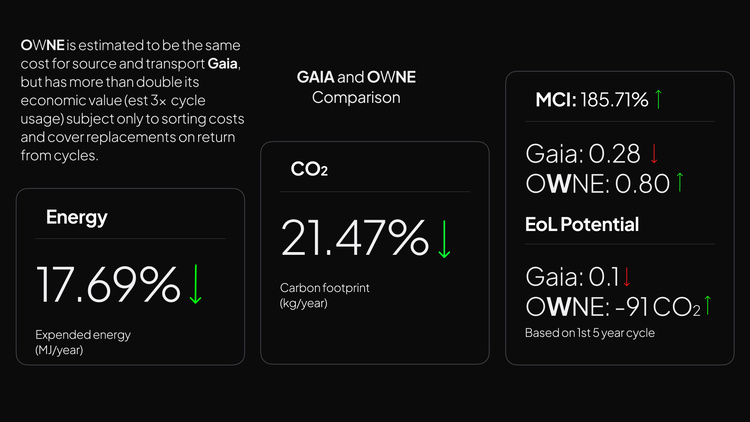
Beyond conceptual design, circular mapping and new business model, we engineered a solution with quantifiable environmental performance. Our proposal demonstrates technical rigor through detailed metrics: material circularity index, carbon footprint calculations, and full lifecycle impact assessment