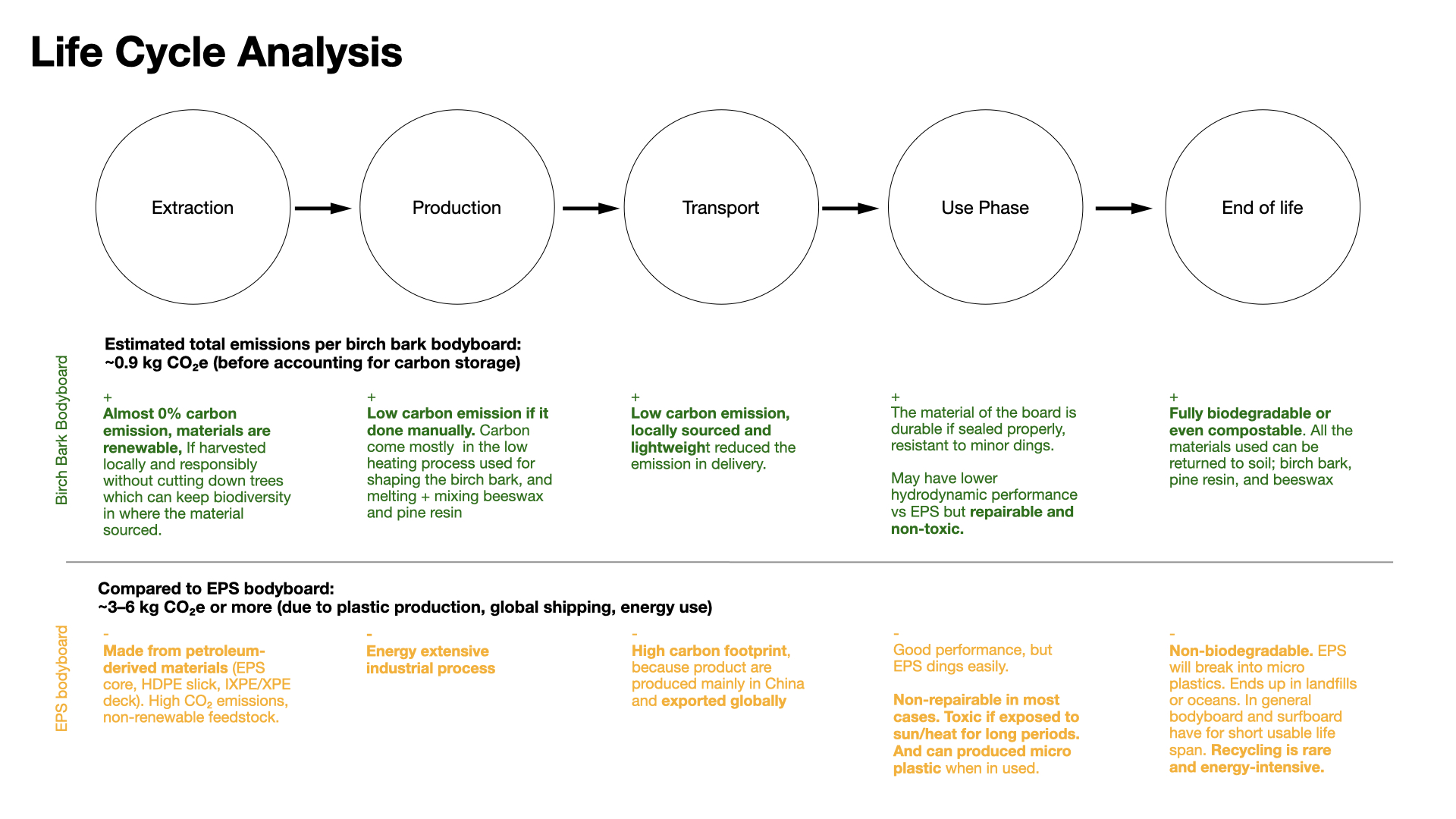
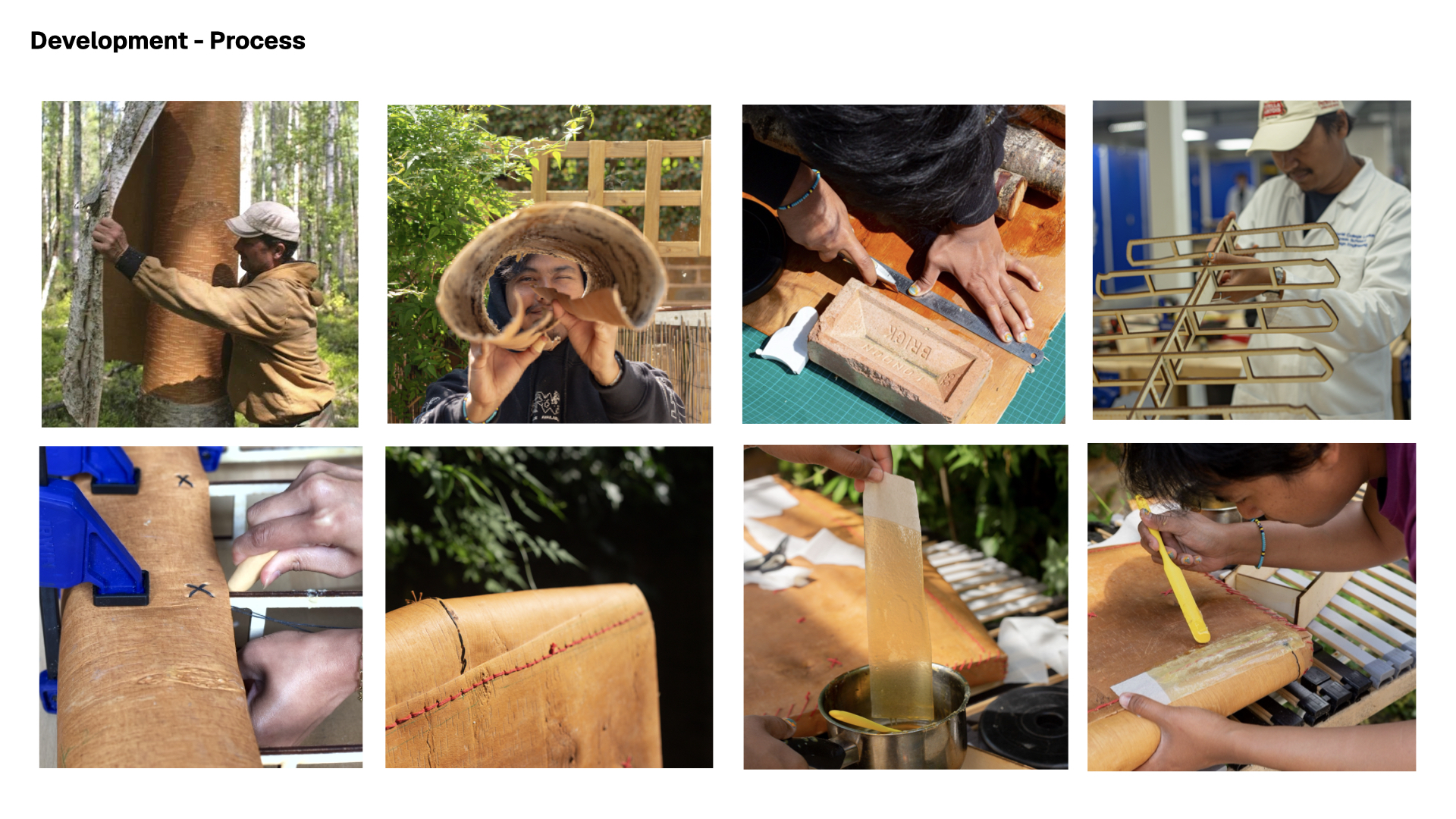
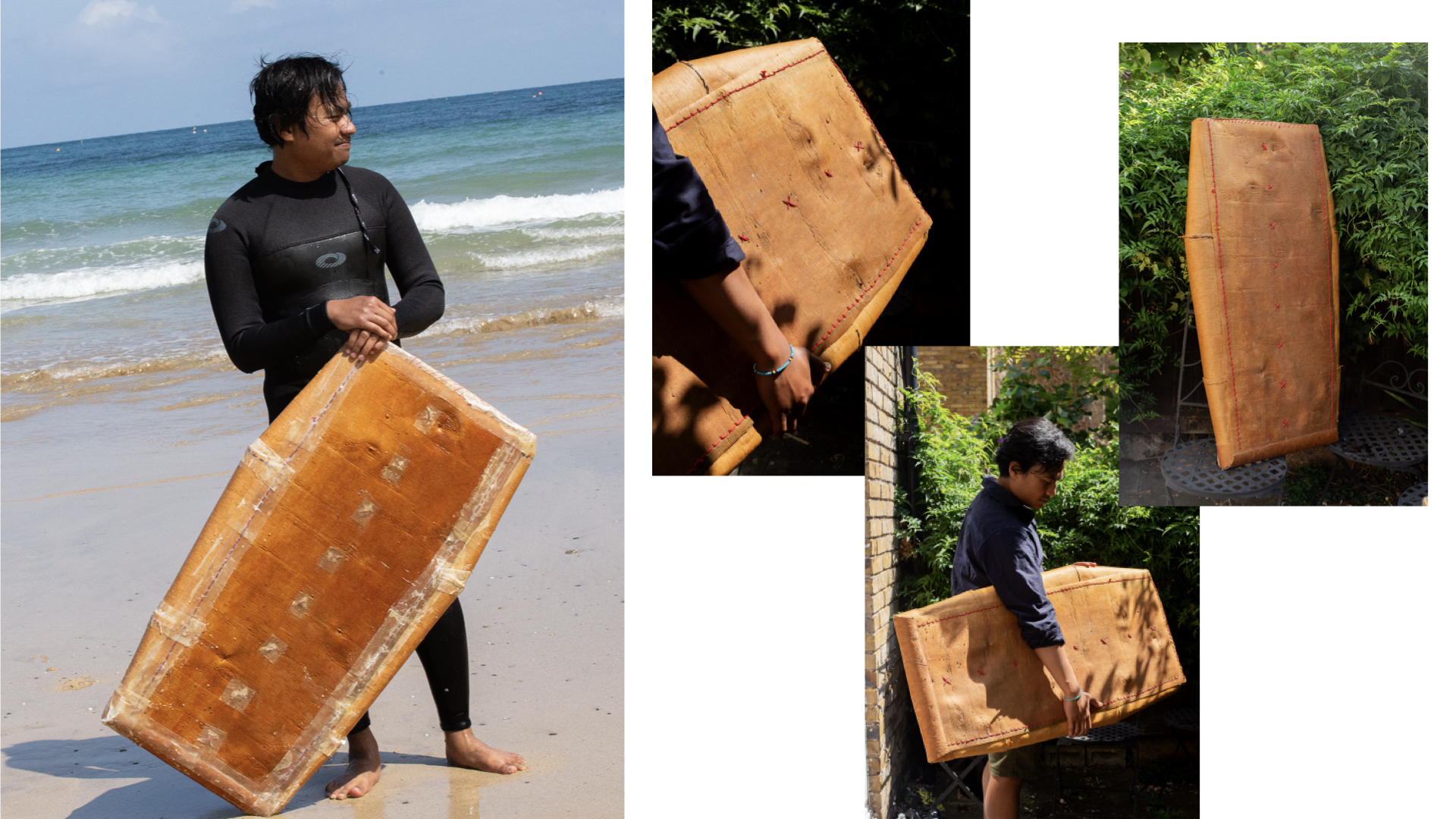
A material exploration project using birch bark, focusing on its regenerative value and inherent properties as a sustainable alternative to synthetic materials. The project uses a bodyboard as a case study, leveraging the natural water resistance and buoyancy of birch bark to provoke critical reflection on conventional epoxy and foam-based boards, which are difficult to recycle.
Birch bark chosen because of it's abundance in northen side of hemisphere, which is local to where the research started. Moreover the material has unique properties; waterproof, flexible to shape, no extensive process to make it ready to be used.
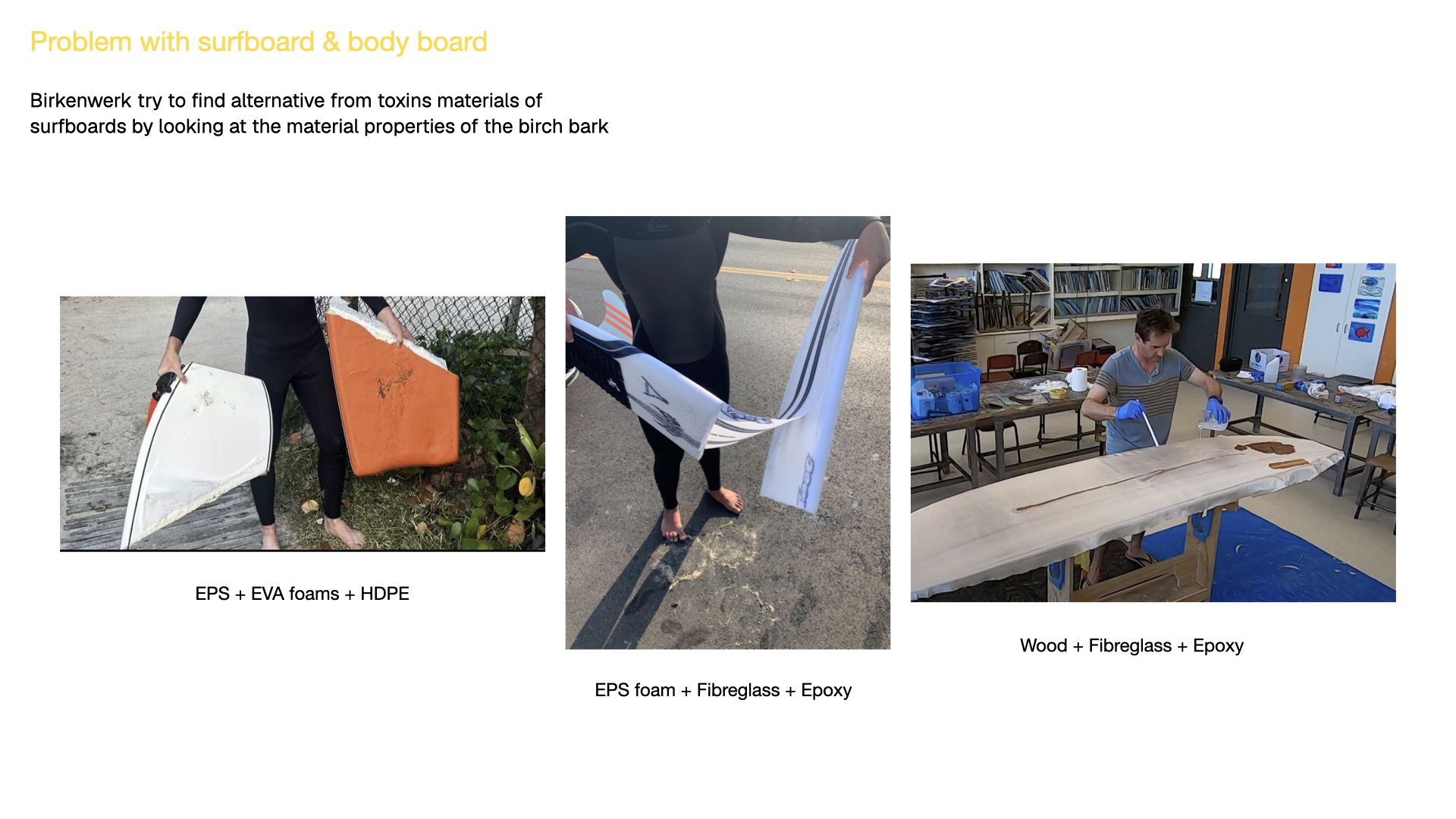
Most boards used in water sports are made from unsustainable materials such as foam, epoxy resin, and adhesives that are harmful to both the environment and the people involved in making them. Although some material alternatives have been introduced, such as wood, the lamination or coating required to make them waterproof still relies on epoxy, which over time wears down and releases microplastics.
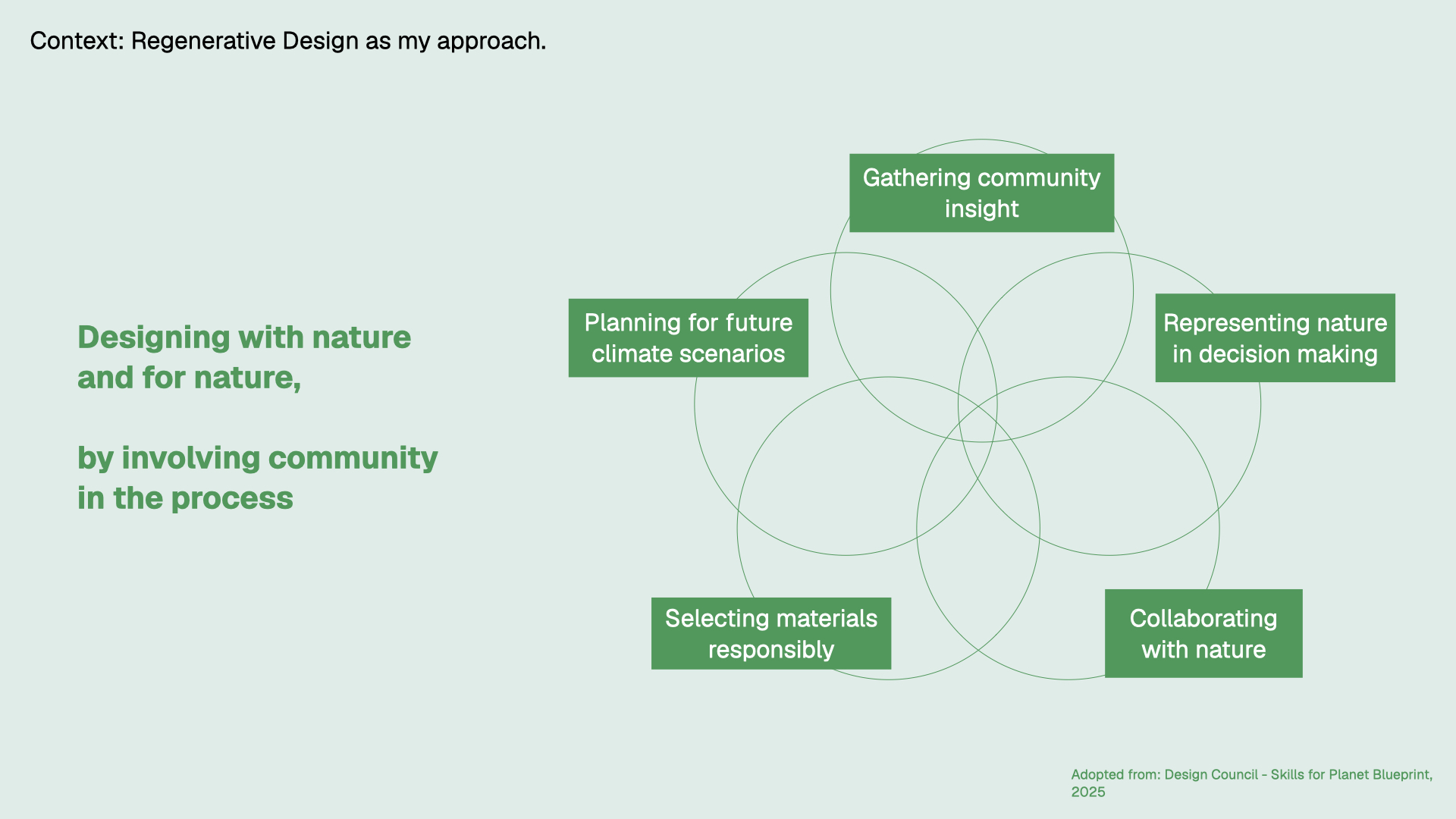
I was looking at a way for regenerative future in the surfboard industry that able to reduce the negative impact of it.